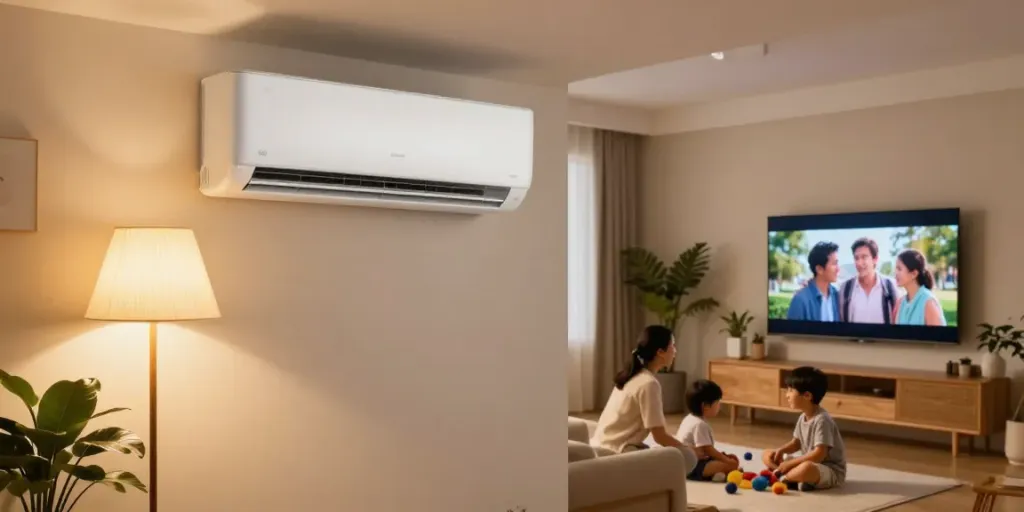
Understanding Ductless AC: What You Need to Know
Ductless AC systems, also known as mini-split systems, represent a sophisticated and efficient way to manage indoor air quality and comfort in homes and commercial spaces. These systems operate without traditional ductwork, allowing for targeted heating and cooling that can significantly enhance energy efficiency. As homeowners become increasingly conscious of energy consumption and environmental impact, ductless AC units have emerged as a popular solution. When exploring options, ductless ac systems not only promise comfort but also offer a range of features tailored to modern-day demands.
What Is Ductless AC?
Ductless air conditioning systems consist of two main components: an outdoor condenser unit and one or more indoor air handling units. This design eliminates the need for extensive ductwork, making installation simpler and often more cost-effective. Ductless AC systems can be used to cool or heat individual rooms or entire homes, providing flexibility in temperature control and enhancing overall efficiency.
How Ductless AC Works
The operation of a ductless AC system is straightforward yet highly effective. The outdoor unit absorbs heat from the air and expels it outside, while the indoor units circulate cooled or heated air within the living space. This technology often employs inverter technology, which allows the compressor to adjust its speed based on the current cooling or heating demand, thus optimizing energy consumption.
Benefits of Ductless AC Systems
- Energy Efficiency: Ductless AC units can save homeowners a significant amount on energy bills due to their ability to target specific areas without the energy losses typically associated with ducted systems.
- Flexible Installation: These systems can be installed in various configurations, making them ideal for homes without existing ductwork, extensions, or even multi-room apartments.
- Improved Air Quality: Ductless systems filter the air and can help reduce allergens and particulates, contributing to a healthier indoor environment.
- Quieter Operation: Many ductless models operate at lower noise levels compared to traditional systems, providing a more comfortable atmosphere.
Choosing the Right Ductless AC for Your Space
Selecting the right ductless AC system involves careful consideration of multiple factors to ensure optimal performance and comfort. Here are key aspects to contemplate:
Factors to Consider When Selecting a Ductless AC
- Size and Capacity: The cooling or heating capacity of a ductless AC is measured in BTUs (British Thermal Units). It's pivotal to choose a system that aligns with the size of the space to avoid inefficiency.
- Energy Efficiency Ratings: Look for units with high SEER (Seasonal Energy Efficiency Ratio) ratings for cooling efficiency and HSPF (Heating Seasonal Performance Factor) ratings for heating. Higher ratings indicate better performance and lower operating costs.
- Installation Type: Consider whether a wall-mounted or ceiling-mounted unit is more appropriate for your space and aesthetic preferences.
Top Brands and Models of Ductless AC in 2026
Several brands are leading the market in ductless AC technology, offering various models to suit different needs and preferences. In 2026, some of the top-rated manufacturers include:
- Mitsubishi Electric: Renowned for their reliability and efficiency, Mitsubishi's models are popular for residential and commercial applications.
- Daikin: This brand is known for its innovative technology and extensive range of customizable options.
- LG: Offering units that combine style with efficiency, LG’s ductless systems often come equipped with smart technology features.
How to Compare Energy Efficiency Ratings
When evaluating ductless AC systems, understanding energy efficiency ratings is crucial. SEER and HSPF are key metrics to consider:
- SEER: This rating helps gauge the cooling efficiency over an entire season. A higher SEER translates to better energy efficiency.
- HSPF: This metric measures heating efficiency. Similar to SEER, a higher HSPF indicates a more efficient system.
When comparing models, aim for a SEER rating of at least 15 and an HSPF of 8.2 or higher for optimal energy savings.
Installation and Maintenance of Ductless AC Systems
Proper installation and ongoing maintenance are essential for the longevity and efficiency of ductless AC systems. This section covers important aspects of installation and care.
DIY vs Professional Installation of Ductless AC
While some homeowners may consider DIY installation of ductless systems, hiring professionals is often advisable. Proper installation ensures that the system operates efficiently and effectively, which can prevent costly repairs down the line. Professionals can also provide valuable insights regarding the best layout and setup for your specific space.
Essential Maintenance Tips for Ductless AC Units
To maintain optimal performance, adhere to the following maintenance tips:
- Regularly clean or replace filters to ensure proper airflow.
- Inspect the outdoor unit for debris or obstructions that can affect performance.
- Schedule annual professional maintenance checks to keep the system in top condition.
Common Issues and Troubleshooting Tips
Like any mechanical system, ductless AC units can encounter issues. Common problems include:
- Reduced Cooling/Heating Capacity: This may stem from dirty filters or refrigerant leaks.
- Noisy Operation: Unusual sounds could indicate loose parts or issues with the outdoor unit.
- Increased Energy Bills: If you notice a spike in utility costs, it may suggest a need for maintenance or system inefficiencies.
Cost Considerations for Ductless AC Systems
Understanding the costs associated with ductless AC systems is vital for budgeting and financial planning.
Understanding the Initial Investment for Ductless AC
The upfront cost of ductless AC systems can vary significantly based on brand, BTU capacity, and installation complexity. Typically, homeowners can expect to spend between $3,000 to $5,500 for a complete installation, inclusive of the indoor and outdoor units and labor.
Long-Term Savings with Ductless AC Efficiency
Despite the initial investment, ductless AC systems can lead to substantial long-term savings due to their energy efficiency. Homeowners may see a reduction in energy bills, particularly in well-insulated spaces where ductless systems effectively target specific areas instead of cooling or heating entire homes.
Financing Options for Ductless AC Installations
Many retailers and manufacturers offer financing plans that make installing ductless AC systems more accessible. Homeowners should explore options such as:
- 0% APR financing for a set period
- Deferred payment plans
- Energy efficiency rebate programs offered by local utilities
Future Trends in Ductless AC Technology
The ductless AC industry is continuously evolving, with innovations improving efficiency, usability, and environmental impact. Here are some anticipated trends as we move further into 2026.
Innovations in Ductless AC for 2026 and Beyond
Emerging technologies promise exciting advancements in ductless AC systems, including:
- Enhanced Inverter Technology: Future models will likely feature even more advanced inverter technology, optimizing energy use further while providing precise temperature control.
- Integrated Smart Home Features: Many units are now compatible with smart home systems, allowing for remote control and monitoring through smartphones or smart assistants.
Smart Technology Integration in Ductless AC Systems
As smart home technology continues to grow, new ductless AC models are integrating features such as:
- Wi-Fi connectivity for ease of use.
- Learning algorithms that adapt to homeowners' habits.
- Enhanced scheduling capabilities for optimal comfort and savings.
Environmental Impact and Sustainability in Ductless AC
With an increasing focus on sustainability, ductless AC systems are aligning with eco-friendly practices by:
- Utilizing refrigerants that have lower global warming potential.
- Employing energy-efficient designs that minimize electricity consumption.
What Are the Benefits of Ductless Systems?
Ductless AC systems provide numerous advantages, from energy savings to enhanced comfort and air quality. They allow for precise temperature control, helping to avoid the common issues associated with traditional ducted systems.
How to Install a Ductless AC System?
While professional installation is recommended, understanding the basic steps can be helpful:
- Select the appropriate location for the indoor and outdoor units.
- Install mounting brackets for the indoor unit.
- Connect refrigerant lines and drainage pipes between units.
- Follow manufacturer instructions for electrical connections.
What Maintenance Does a Ductless AC Require?
Regular maintenance involves simple tasks such as:
- Cleaning or replacing filters every few months.
- Ensuring outdoor units are free from obstructions.
- Scheduling annual inspections with a certified technician.
Are Ductless AC Systems Cost-Effective?
When considering both initial investment and long-term savings, ductless AC systems offer a cost-effective solution for climate control. Their energy efficiency can lead to lower utility bills and reduced environmental impact over time.
What Are the Latest Trends in Ductless HVAC Technology?
The latest trends in ductless HVAC technology focus on improving efficiency, incorporating smart technology, and enhancing user experience. As the industry progresses, ductless systems are expected to become even more integral to modernized heating and cooling solutions.